Directory of Deities & Divine Blessings at Longshan Temple
From Yue Lao (God of Matchmaking) to deities of Wisdom, Wealth, Health, and Protection
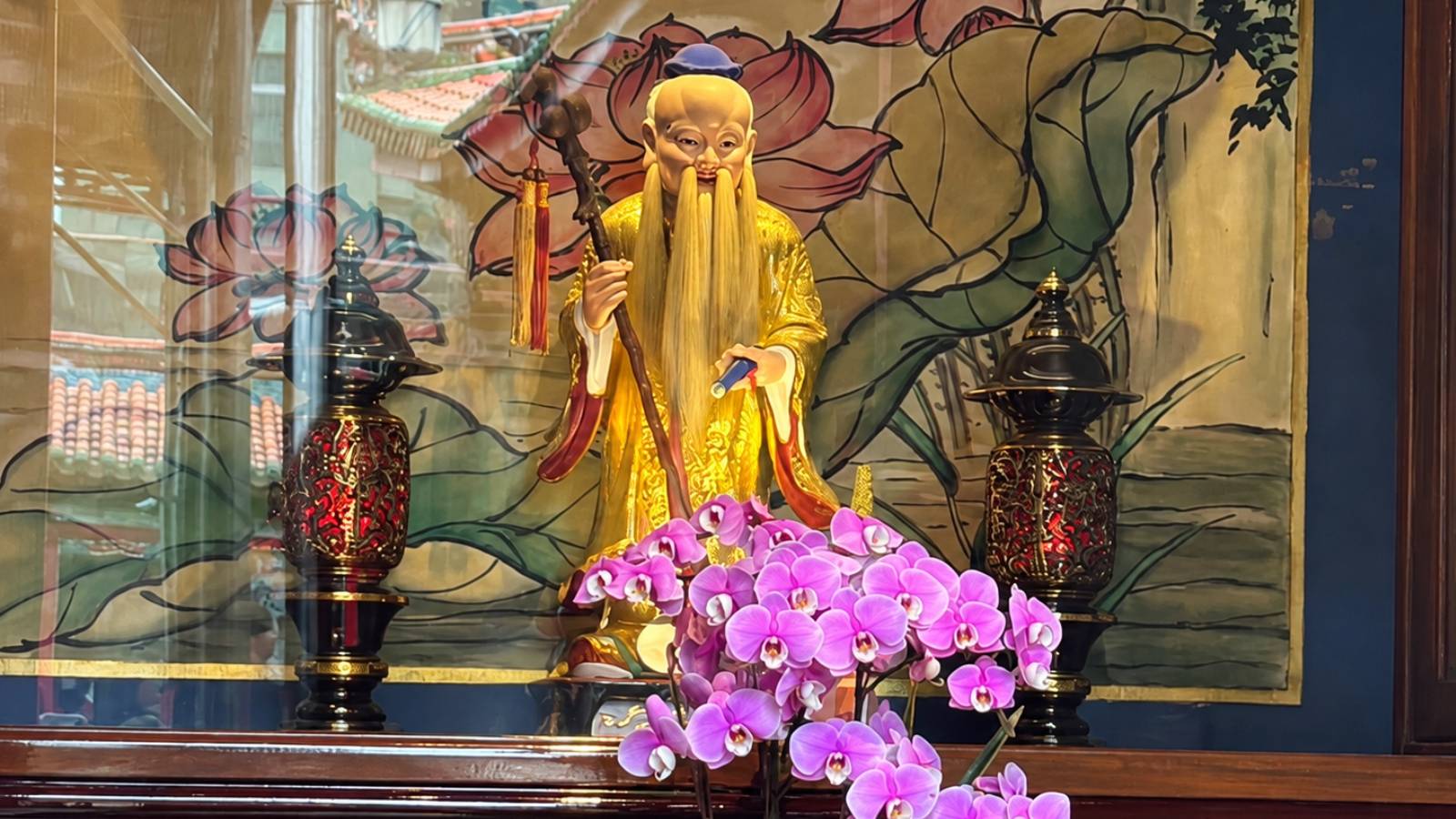
Yue Lao (The God of Matchmaking / Old Man Under the Moon)
Taiwan’s Most Celebrated Deity for Love & Soulmates
Revered as "Yue Lao", this Taoist deity holds the Book of Destiny in his right hand and the Red Silk Thread of Fate in his left, binding destined soulmates across time and distance.
🧧 Proper Ritual to Receive the Red Thread (Hongxian)
Pay Respects to Guanyin & Preceding Deities First
Temple etiquette requires greeting the Main Hall deities (Guanyin) and other deities in sequence before approaching Yue Lao.
Introduce Yourself & State Your Partner’s Qualities Clearly
Mentally state your full name, birth date, and home address. Describe the specific virtues, values, and character you seek in a soulmate (or state the name and birth date of your specific beloved).
Cast the Jiaobai for "3 Consecutive Shengbei"
Ask: "May I receive your sacred Red Thread of destiny?" and toss the divination blocks. You must obtain 3 consecutive Shengbei (Yes) throws. If you receive a No or Laughing toss, it means the timing is not yet ripe—do not take the thread.
Cleanse the Thread over the Incense Burner (Guo Lu)
Take one Red Thread from the wooden box in front of Yue Lao. Pass it clockwise three times through the rising smoke above the incense censer to imbue it with divine vitality.
Safekeeping & Gratitude (Huan Yuan)
Keep the Red Thread securely in your wallet or pouch. When blessed with marriage or a harmonious union, it is customary to return to Longshan Temple with wedding sweets (Joy Cookies) to express heartfelt gratitude.
Principal Deities & Buddhist Guardians (Universal Peace)
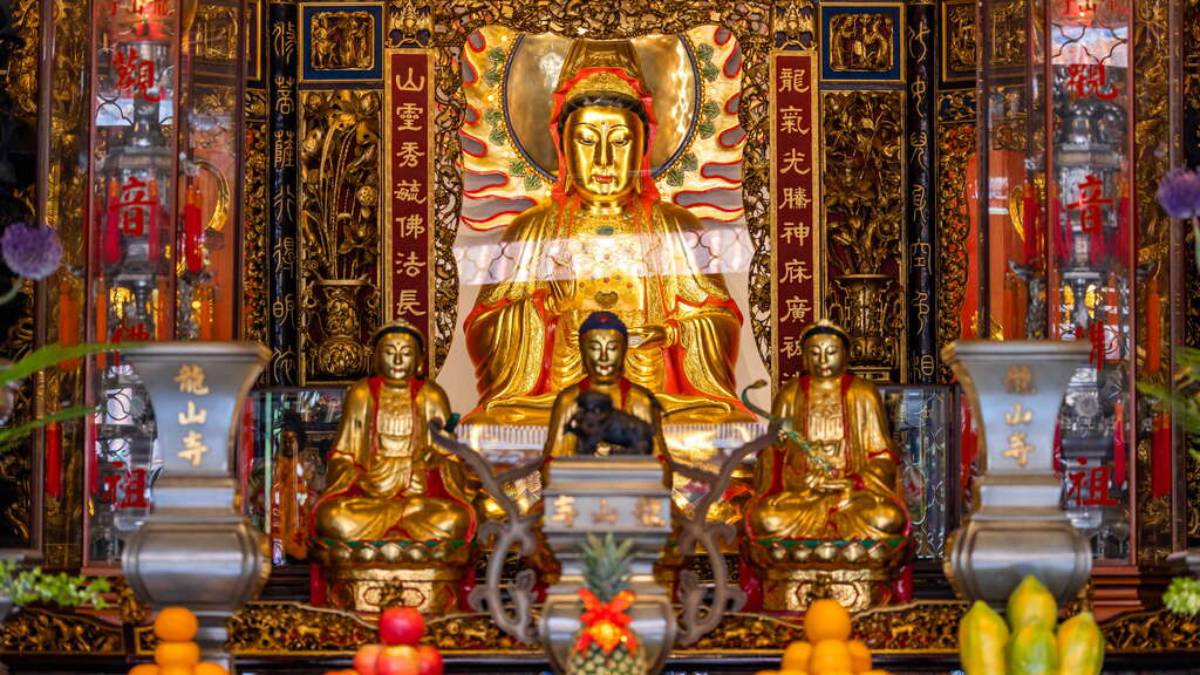
Guanyin Bodhisattva (Goddess of Mercy)
The chief deity of Longshan Temple. Guanyin hears the cries of all beings in distress and grants merciful protection. Divination fortune slips at the temple are addressed to Guanyin. A famed miracle occurred during WWII when the main hall was bombed, yet the central Guanyin statue remained completely unscathed.
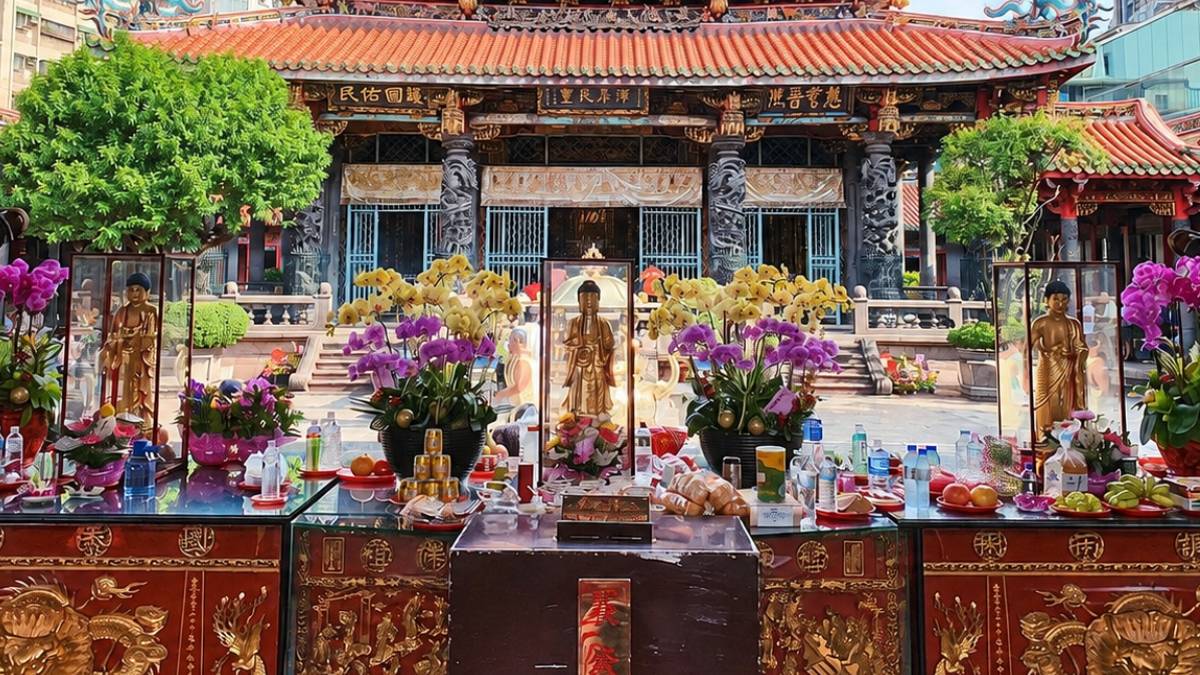
Sanbao Buddha (Sakyamuni, Bhaisajyaguru, Amitabha)
The three revered Buddhas enshrined in the Front Hall, where visitors begin their visit by purifying mind and thoughts.
Academic Success, Exams & Wisdom
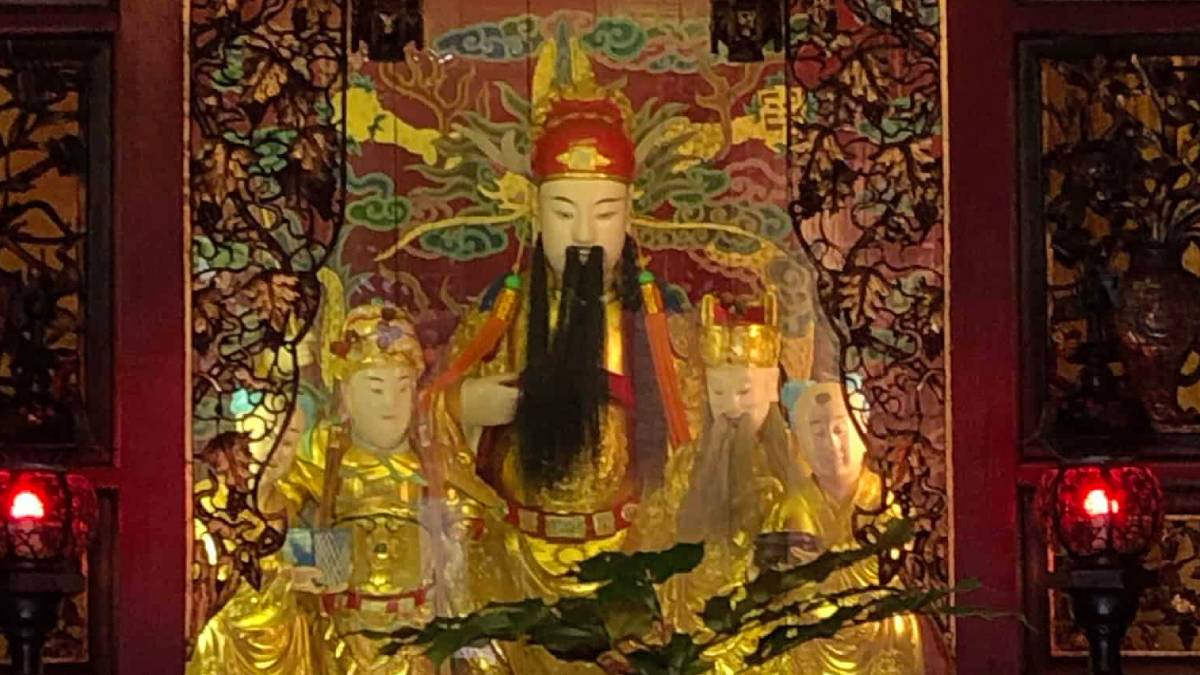
Wenchang Dijun (God of Culture & Literature)
The supreme patron of scholars and students. During exam seasons in Taiwan, worshippers offer exam admission tickets, pens, green scallions (symbolizing intelligence), and radishes (good fortune).
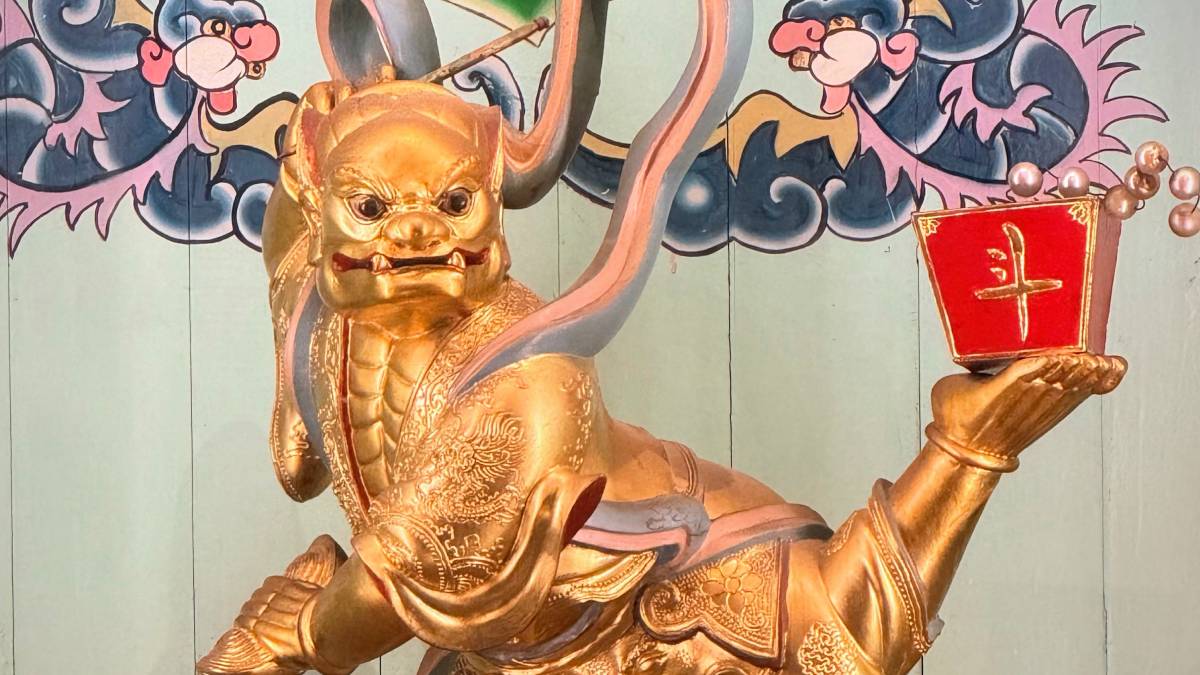
Kuixing Ye (Great Star of Wisdom)
The deity of stellar brilliance standing atop a giant sea turtle holding a writing brush, blessing examinees with first-place honors.
Wealth, Prosperity & Career Triumph
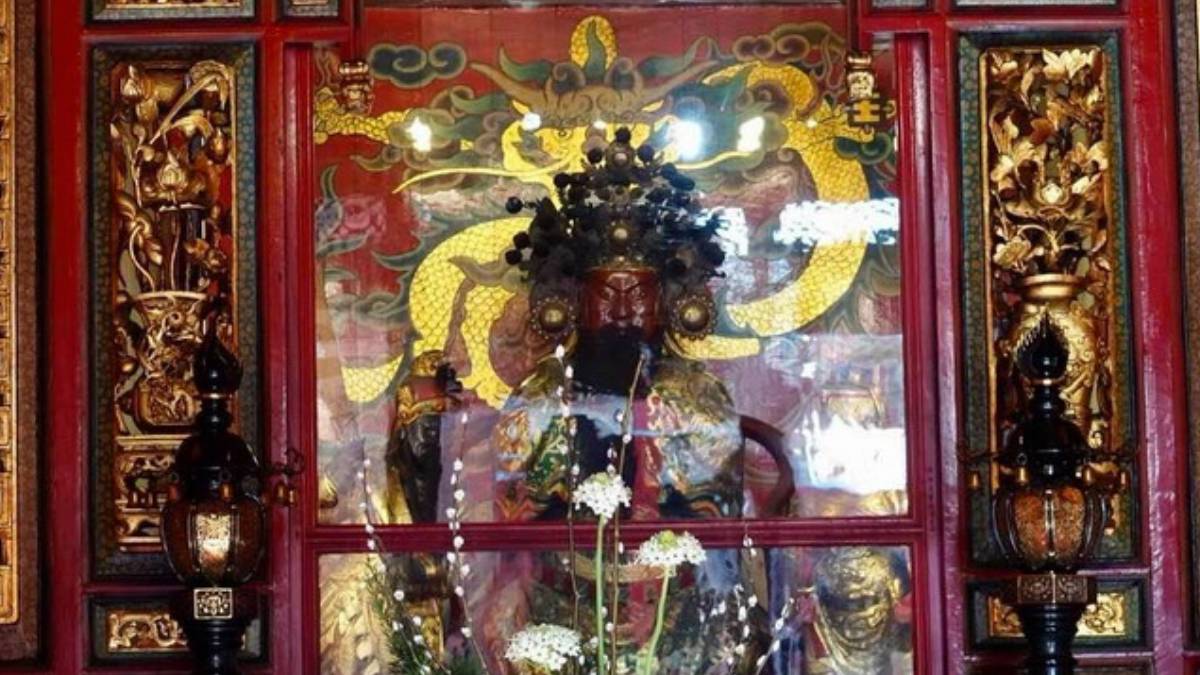
Guan Sheng Dijun (Holy Emperor Guan / Lord Guan)
The revered hero Guan Yu from the Three Kingdoms era. Honored for righteousness and loyalty, he is worshipped as the Martial God of Wealth by entrepreneurs, executives, and merchants worldwide.
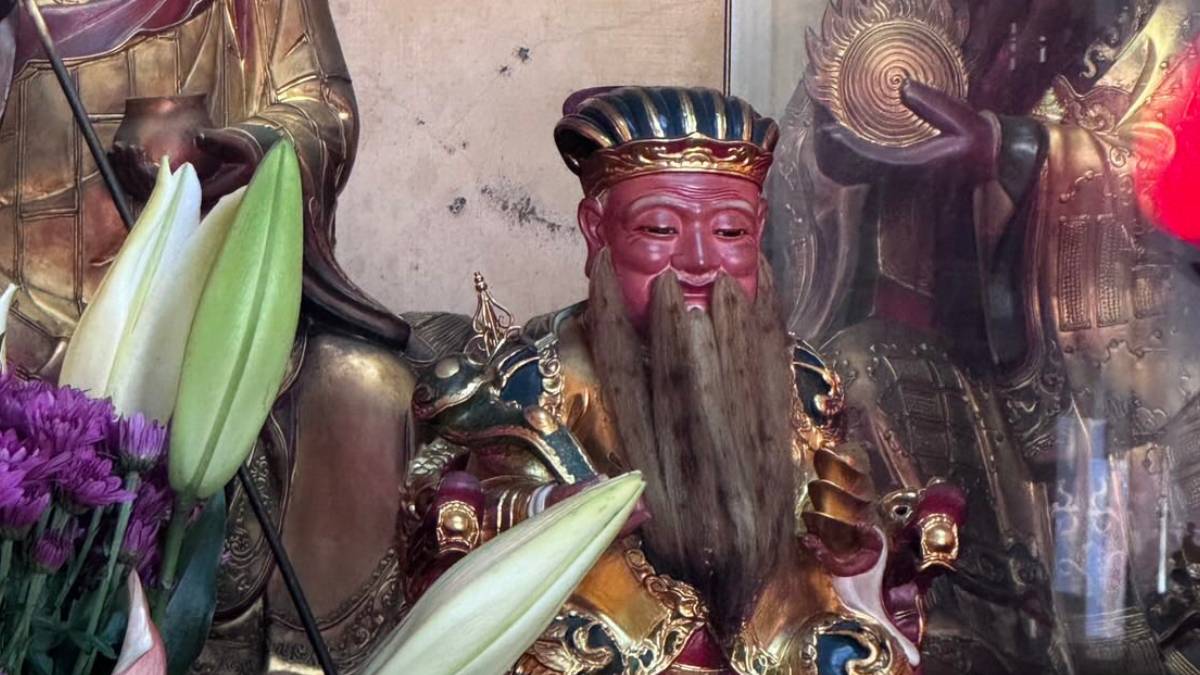
Fude Zhengshen (Tu Di Gong / Earth God)
The benevolent guardian deity of the soil and everyday livelihood, safeguarding community harmony and personal fortunes.
Health, Fertility, Travel Safety & Lifelong Protection
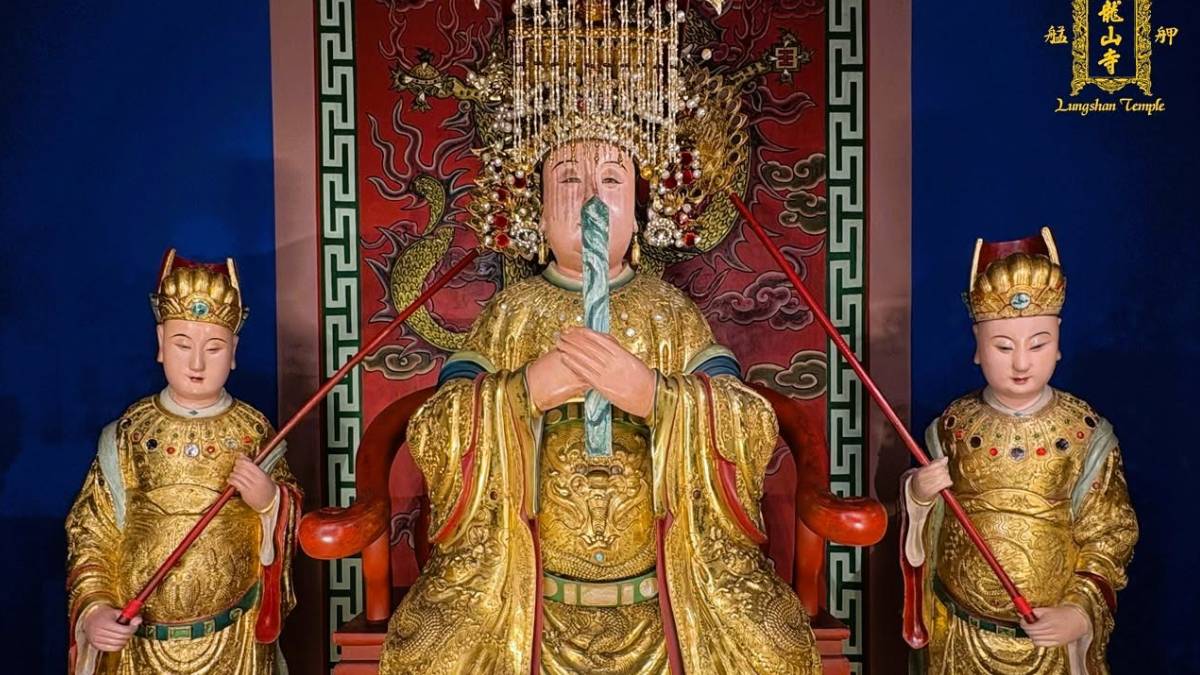
Mazu (Heavenly Holy Mother)
Taiwan’s most revered goddess. Celebrated for saving sailors from stormy seas, she is today worshipped as a universal motherly guardian offering safety and strength in challenging times.
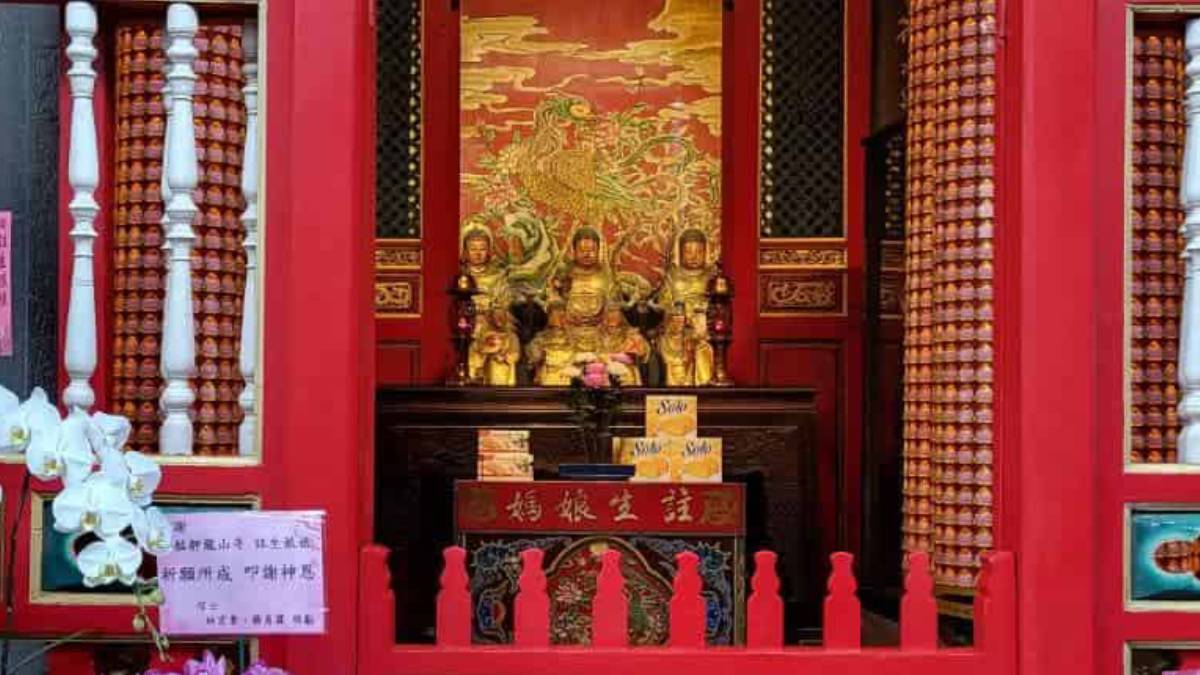
Zhusheng Niangniang (Goddess of Childbirth)
The divine registry keeper of births and protector of expectant mothers and infants. Couples travel from around the globe to seek her maternal blessings.
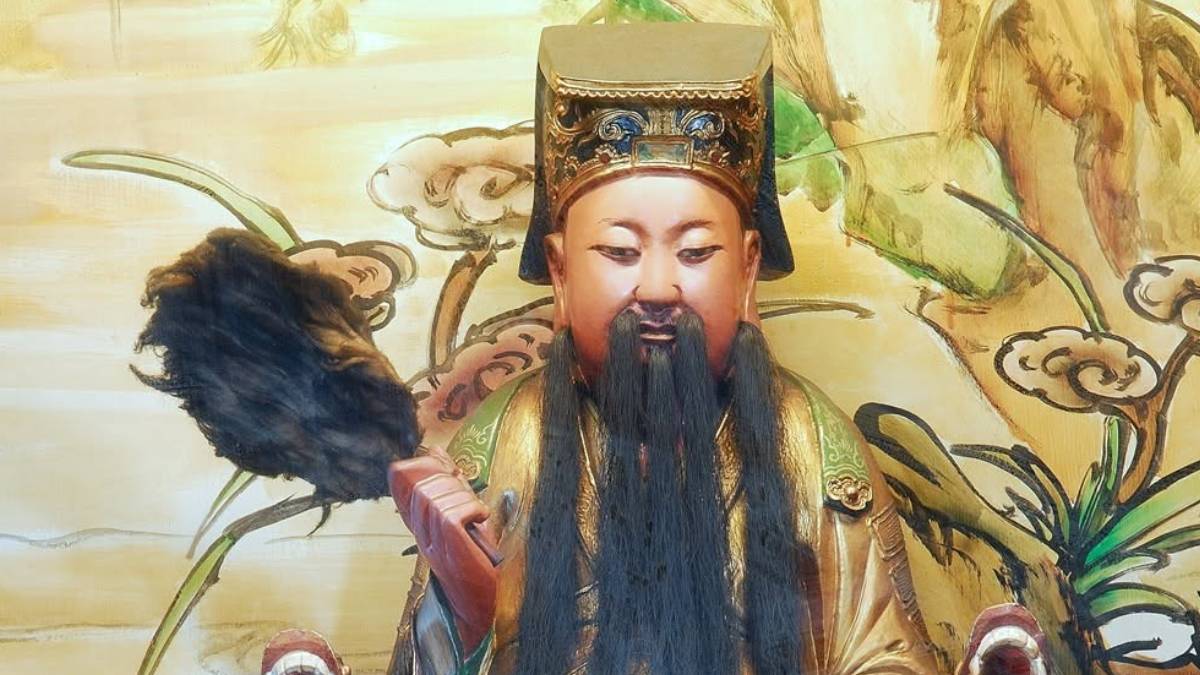
Hua Tuo (Divine Physician of Healing)
The legendary Han Dynasty surgeon recognized as the patron of medicine, petitioned for rapid recovery and medical breakthroughs.
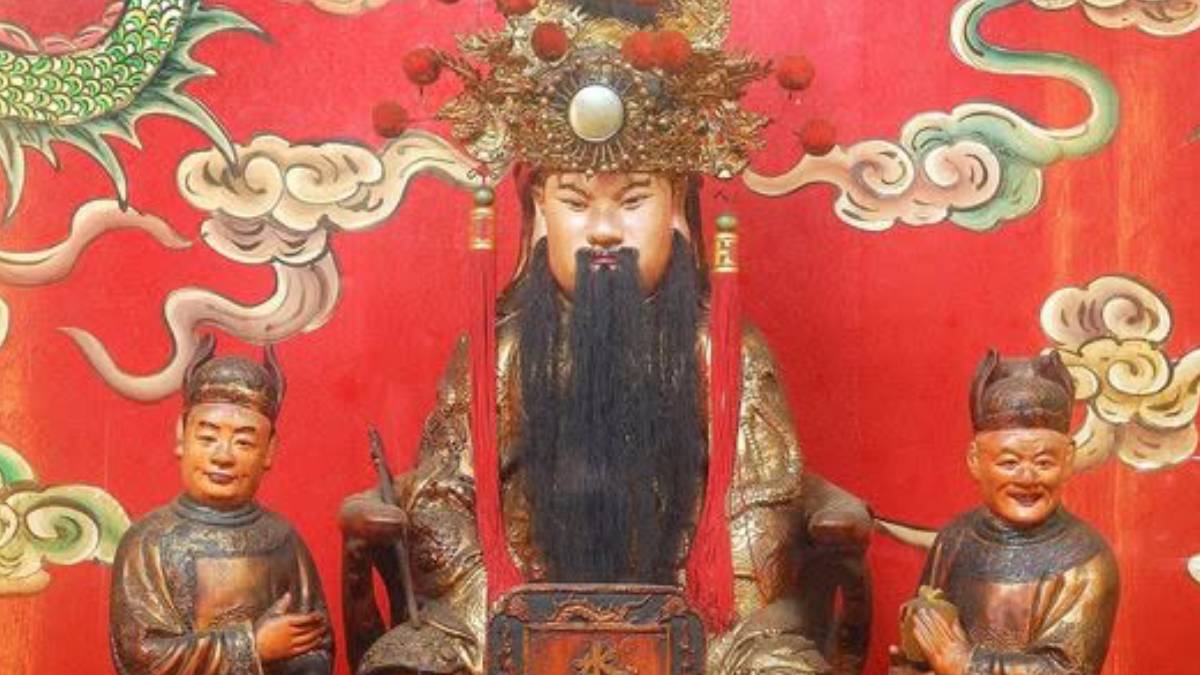
Shuixian Zunwang (Water Immortals Kings)
Ancient hydrological heroes and water guardians who govern trade, logistics, and safe navigation.
Complete Worship & Divination Guide
Learn the correct sequence, self-introduction rituals, and 3-consecutive Shengbei rules.